


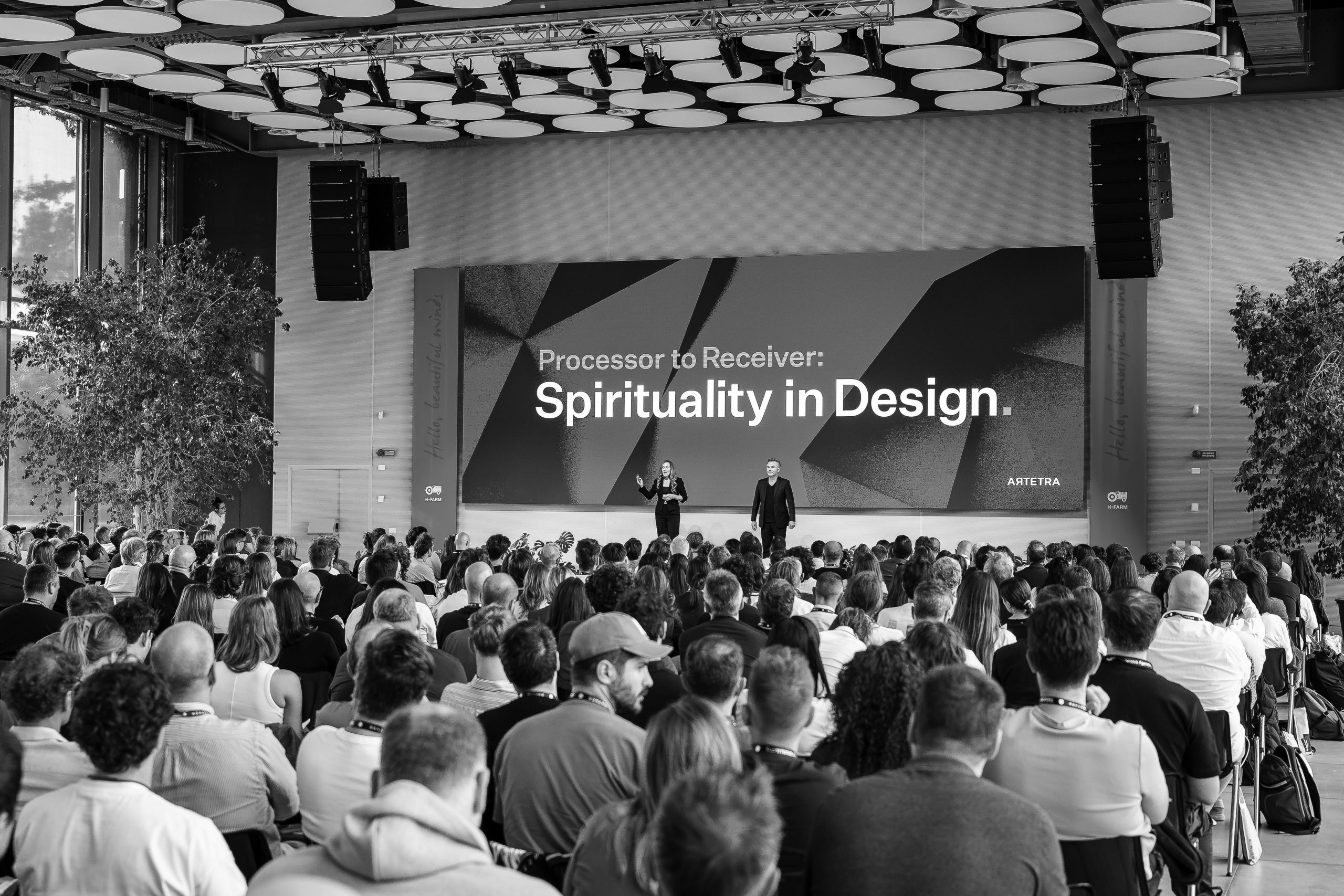
Processor to Receiver: Spirituality in Design
Originally delivered as the Keynote Address on the Main Stage at Supernova Agencies, H-FARM.
Why the frantic race to AI isn't the death of creativity, but the end of design without a soul.
The creative industry is facing an uncomfortable truth.
The current rush to automate everything with AI has exposed a long-standing secret: much of what creative agencies sold as high-level strategy was simply expensive execution in disguise. For two decades, design studios functioned as intellectual processors: gathering market data, calculating consumer trends, writing briefs, and producing visual assets through brute cognitive effort.
Now, artificial speed has turned execution into a cheap commodity. When an algorithm can generate polished, visually agreeable assets in seconds, surface-level design loses its premium.
This is not a catastrophe for creative practice. It is a necessary clearing of the noise. It forces us to abandon the idea that design is merely a problem-solving machine, and returns us to what design has always been at its highest level: a conscious practice of connection.
I. The fallacy of the intellectual processor.
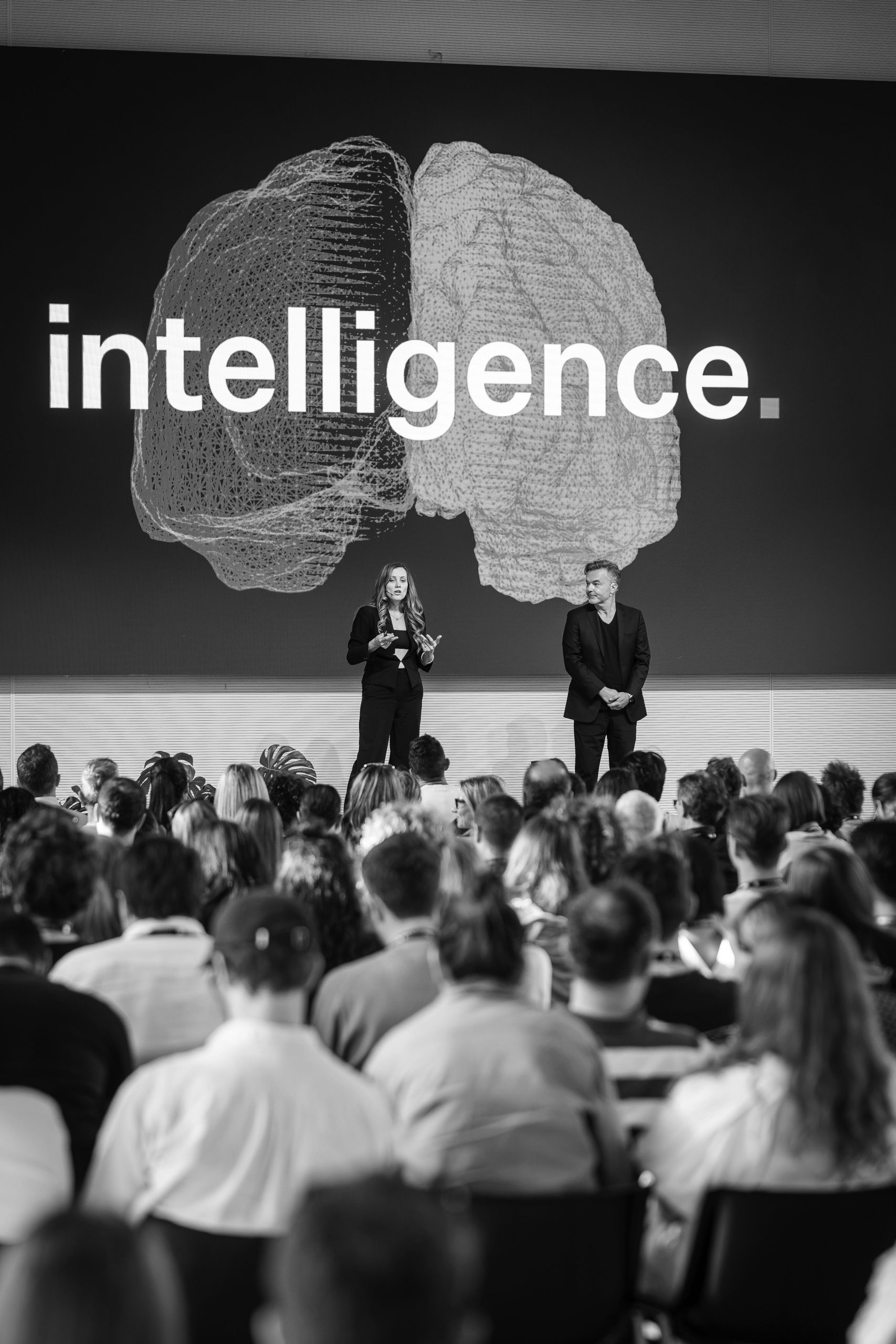
When a designer or strategist operates purely as a processor, they rely strictly on linear logic, historical precedent, and cognitive calculation. They analyse what already exists, calculate the average desire of a market, and produce a calculated output.
The result of this approach is widespread aesthetic homogenisation.
When every agency uses the same predictive tools, queries the same databases, and optimises for the same engagement metrics, brand identities collapse into a uniform baseline. They look the same, speak the same, and feel completely interchangeable.
Data and technology can optimise an existing system, but they cannot birth an original paradigm. Even "emotional design," when reduced to calculated psychological triggers, stops working the moment consumers build immunity to engineered empathy.
True creative breakthrough never comes from linear calculation. It arrives from the quiet space before thought begins.
II. The shift to non-neural cognition and intuition.
To build brands that endure beyond short technological cycles, we must broaden our understanding of human creative power. We need to bridge cognitive science, non-neural intelligence, and the practical application of intuition.

Modern research confirms what ancient craft traditions always knew: intelligence is not localised exclusively in brain tissue. Sensory perception, cellular memory, and subtle environmental awareness show that the human mind and body function as sophisticated receivers, or as quantic systems to be precise.
We do not force original ideas into existence through analytical pressure. We listen, and we receive them.
THE INTELLECTUAL PROCESSOR
Market data → Linear analysis → Homogenised output
INTUITIVE RECEIVER
Receptivity and connection → Intuition → Conscious craft → Authentic and timeless output
What happens through this shift:
• Technology becomes the infrastructure handling operational friction, data synthesis, and rapid prototyping.
• The designer becomes the conscious channel using intuition and deep cultural awareness to translate abstract vision into physical, sensory form.
• The output carries genuine provenance holding an unmistakable presence and weight that no algorithm can simulate.
III. The integration: operating dimensions of the modern studio.
The goal of a high-authority agency is not to discard analytical rigor, data, or structural logic. An agency that relies solely on intuition without analytical framework produces ungrounded, unmarketable work. Conversely, an agency that relies solely on processing power produces sterile, commoditised noise.
True design value occurs when a studio layers intuitive receptivity directly over intellectual processing. The processor provides the structure, data, and execution mechanics; the receiver infuses those mechanics with soul, vision, and energetic depth.
When these two dimensions are integrated, the resulting output shifts from a temporary, trend-dependent asset into a timeless, authoritative, and irreplaceable presence.
| Intellectual processor | Intuitive Receiver | Integrated Result | |
|---|---|---|---|
| Primary Source | Historical data, market trends, competitive analysis | Universal connection, non-neural intuition, connection to Source | Grounded innovation backed by timeless resonance |
| Methodology | Linear problem-solving, algorithmic optimisation | Conscious reception, sensory synthesis, translation | Data-informed intuition with sensory authority |
| Competitive Advantage | Speed, capacity, and execution volume | Provenance, depth, soul, unshakeable identity | High-margin, irreplaceable, unique positioning |
| Role of AI | Functional engine handling execution and data synthesis | Ultimate processor, strong companion | Liberated human creative intelligence |
| Market Result | Baseline operational speed | Emotional depth and spiritual weight | Timeless, authoritative, and irreplaceable presence |
IV. Translating practice: elevating agency deliverables.
Transitioning to a spiritual design practice does not mean abandoning commercial deliverables. Clients still require brand identity systems, target audience frameworks, strategic alignment, and campaign execution.
When an agency operates as an intuitive receiver, the intrinsic nature of these deliverables evolves.
The deliverables on the left remain the scope of work; the concepts in the middle represent the elevated value that we integrate.
| Standard Scope | The Elevated Equivalent | The Core Strategic Evolution |
|---|---|---|
| Brainstorming | Channelling, receptivity | Shift from thinking hard to listening deeply. |
| Visual Identity | Energetic symbol, sacred form | Shift from looking good to resonating at a specific frequency. |
| Target Audience | Resonance, alignment | Shift from demographic targeting to energetic harmony. |
| Execution | Materialisation, manifestation | Shift from producing assets to grounding pure intent. |
V. The leader's mandate: holding the vision.
In an industry obsessed with generating thousands of artificial options per minute, the primary role of an agency founder or brand director is no longer operational supervision.
It is holding the vision.
Holding the vision requires standing firm in the core identity of an idea long before market metrics confirm it. It demands the courage to reject algorithmic consensus, the safe, calculated average, in favour of an intuitive truth that feels unnerving precisely because it is original.
An AI engine can produce endless variations of a spatial layout, a visual brand, or a campaign in seconds. But a machine cannot feel which variation carries genuine soul. It cannot hold conviction. It cannot exercise taste.
Leadership today is the disciplined ability to hold space for the unexpected, the non-linear, and the profound, protecting it from being diluted by corporate fear and automated haste.

VI. Why luxury demands soul over speed.
The luxury sector has always understood a principle that mainstream agencies routinely forget: value is never created through efficiency alone.
Luxury lives in provenance, intentionality, quiet restraint, and emotional weight. A client investing in a luxury experience is not paying for the speed of delivery. They are paying for the depth of human consciousness embedded within the work.
As execution costs approach zero through the race to AI, the commercial value of raw processing power will collapse. Conversely, the premium placed on human intuition, spiritual depth, and artistic conviction will skyrocket.
We are not entering a dark age for creativity. We are entering the golden era of conscious creation: an epoch where technology handles the routine, leaving human consciousness free to lead with elegance, depth, and meaning.
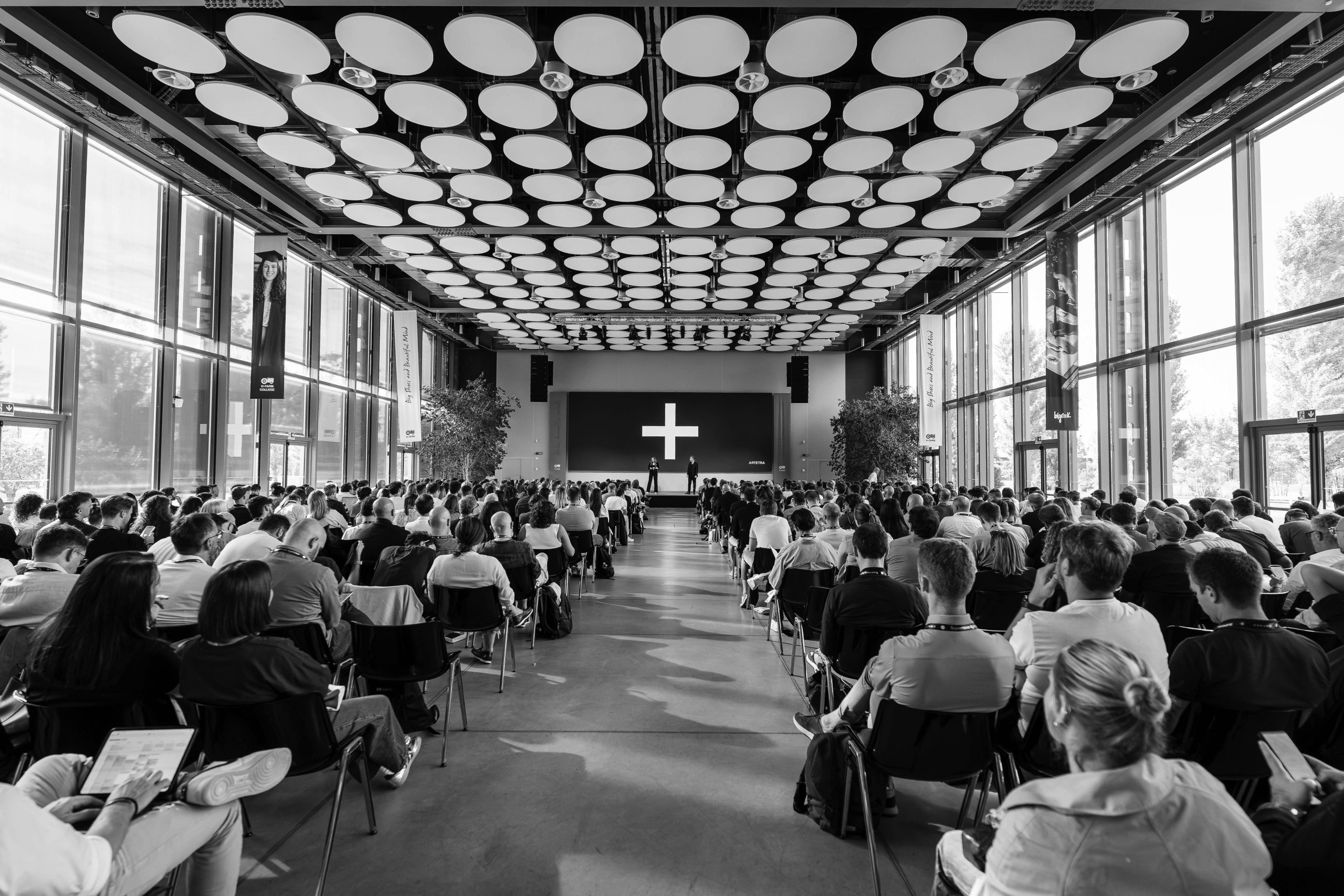
This thesis forms the foundational framework for Cinzia Donà Mitrovič and Vladimir Mitrovič’s presentation, "Processor to Receiver: Spirituality in Design," taking the main stage at Supernova Agencies (H-FARM) on October 1st, 2026.
Artetra selectively advises founders, brand directors, and creative leaders navigating identity shifts in the post-AI landscape.
Initiate a private dialogue: Contact our studio directly at info@artetra.design